From Runway to Rugged: Choosing the Right EV for Peaks or Sand

Touch down, grab the keys, and head straight for adventure. In this guide, we compare EV models for mountain versus desert journeys starting right at your airport pickup, exploring torque for climbs, cooling for heat, real-life range, charging access, cargo practicality, and safety decisions that keep your trip unforgettable for all the right reasons.

Terrain Truths That Shape Every Mile

Mountains and deserts challenge electric vehicles in opposite, fascinating ways. Elevation demands sustained power and rewards regenerative descents, while scorching flats punish batteries with relentless heat and wind. Starting from an airport adds timing pressure, range realities, and route choices that define comfort, confidence, and memories long after the bags roll away.

Climbing Fast, Draining Slow?

Steep grades require bursts of power that quickly reveal motor tuning, inverter efficiency, and battery resilience, especially with a cabin full of passengers and luggage. Plan a healthy state of charge before the ascent, then celebrate the descent’s regenerative bonus without overestimating it, because curves, braking, and cooler air still impose subtle, cumulative efficiency costs.

Heat, Dust, and Battery Health

Desert highways expose thermal systems to sustained stress, where cooling loops, pumps, and smart software protect cells from throttling or degradation. Dust sneaks into filters and crevices, challenging cabin comfort and sometimes sensors. Choose models with robust thermal management, conservative fast-charging windows, and well-sealed components to keep performance consistent when mirages shimmer beyond the windshield.

Surface Grip and Suspension Choices

Gravel, washboard, and soft sand reward vehicles with compliant suspensions, clever traction control, and tires that balance efficiency with bite. Low ride heights limit options, while adjustable damping and torque vectoring steady the chassis. On windy desert flats or alpine switchbacks, stability algorithms and tire pressures matter as much as raw horsepower or battery size.

First Stop, Best Stop

Taking a short charging pause soon after pickup pays dividends. It verifies your adapter setup, warms or cools the pack, builds a comfortable buffer, and reveals local station reliability. Stretch, grab water, and adjust your route using current utilization data instead of assumptions, transforming that first hour into an insurance policy against needless range anxiety.

Mountain Town Connectors

Alpine destinations often scatter modest chargers across lodges, public lots, and grocery stores. Overnight Level 2 can outshine daytime DC fast charging if the schedule fits, especially before early trailheads. Remember that big downhill returns cannot fully repay steep outbound climbs, and stormy weather or ski traffic can slow both electrons and your carefully planned timeline.

Desert Distances and Redundancy

Desert crossings may feature long gaps between stations, sudden detours, or dust storms. Favor networks with reliable uptime, bring a secondary plan, and avoid arriving below fifteen percent state of charge when crosswinds or sand patches threaten consumption. If stations crowd at sunset, have an alternative within range, preserving momentum toward sunsets and starry, wide-open campsites.

Drivetrain, Modes, and Control

AWD Confidence Versus RWD Efficiency

AWD supplies instant torque to both axles, helping you steer and power out of loose sections or wet hairpins with calm precision. Yet RWD often wins on simplicity and highway efficiency, important on long approaches. Consider your route’s mix: airport traffic, open freeway, steep climbs, and unpaved detours before deciding which compromise best supports your itinerary.

Regen Braking When Gravity Takes Over

Strong regenerative braking eases wear on friction pads during mountain descents and stabilizes speed through winding grades. However, if the battery is near full, regen weakens, demanding old-fashioned braking finesse. Learn your model’s limits, monitor state of charge before cresting, and select drive modes that preserve control without overheating components when gravity relentlessly claims center stage.

Sand, Gravel, and Stability Algorithms

Traction control that allows a touch of wheelspin can help sand driving by maintaining momentum without digging holes. On gravel, softer thresholds prevent abrupt interventions that unsettle the chassis. Systems vary widely, so test low-speed responses in a safe area near the airport, then tune pressures and modes before you chase that shimmering horizon or alpine meadow.

Thermal Systems and Battery Endurance

Batteries thrive within narrow comfort zones. Heat pumps, liquid cooling, and smart preconditioning determine fast-charge speeds, climb stamina, and cabin serenity. Mountains bring cold mornings and regenerative bounty, while deserts challenge with relentless solar load. The right vehicle keeps cells balanced and drivers refreshed when long hours and landscapes stretch patience and planning to their edges.

Cold Peaks, Warm Packs

Chilly starts sap range unless the vehicle preheats its battery and cabin from shore power. Heat pumps drastically reduce winter consumption versus resistive elements, especially at altitude. Schedule warmups before leaving the garage, pack layers, and leverage seat heaters to sip watts sparingly, preserving precious energy for scenic overlooks rather than vanishing into frosty morning air.

Desert Supercharging Without Slowdowns

Hot days can push fast-charging sessions into thermal limits, reducing peak power. Park in shade when possible, arrive at a lower state of charge to exploit higher rates, and keep climate control efficient. Vehicles with robust cooling loops and clever software maintain speed longer, letting you hydrate, replan, and roll sooner as mirages ripple across distant asphalt.

Space, Comfort, and Adventure Readiness

Cargo Math After Baggage Claim

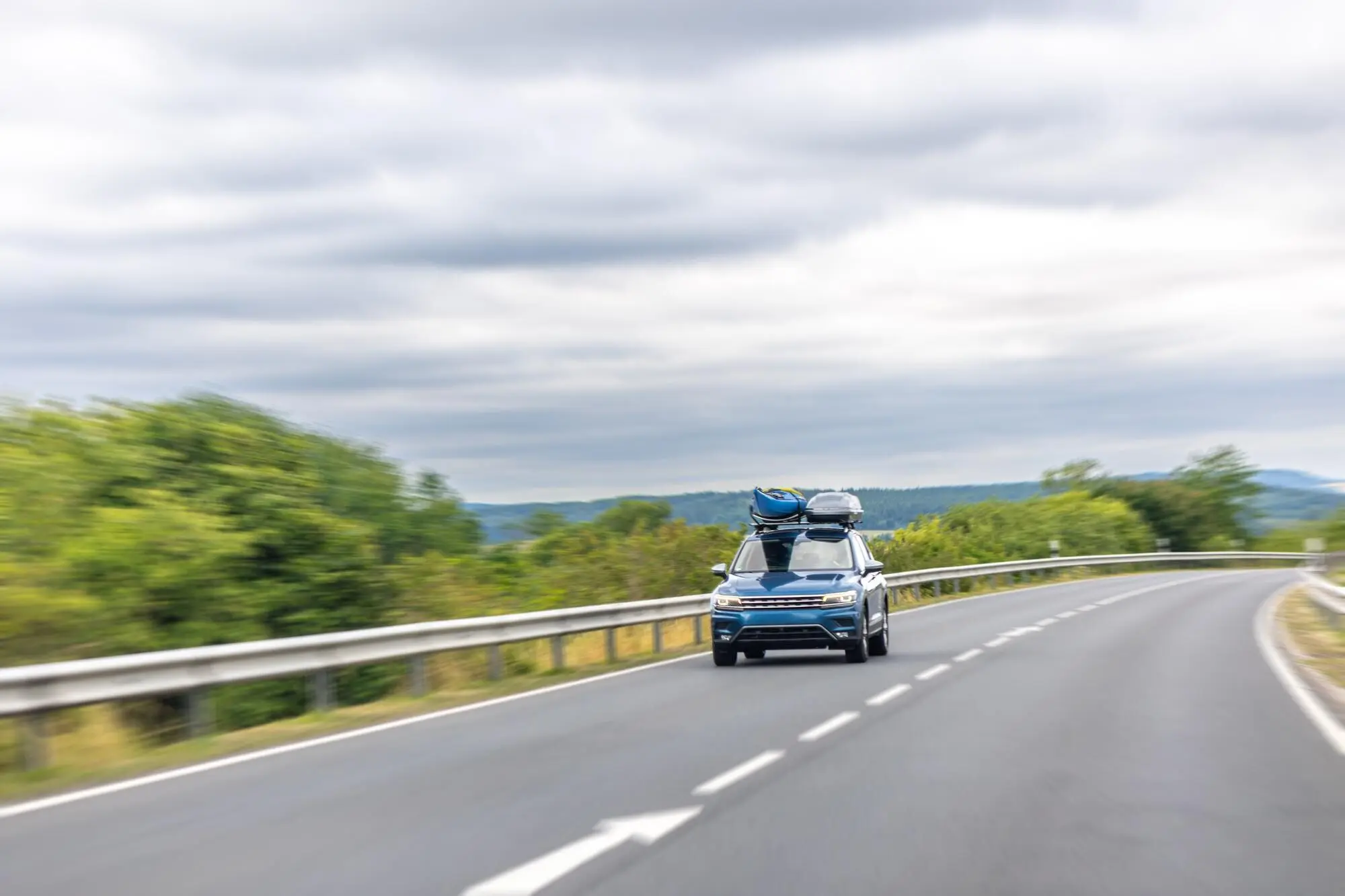
Count hard-sided suitcases, hiking packs, and cooler dimensions before booking. Split-level cargo floors and generous frunks save the day, while roof boxes raise drag and reduce range notably at freeway speeds. Tie-down points, seat-fold angles, and underfloor bins decide whether you carry recovery boards or ditch them when dust roads suddenly become too interesting to ignore.

Cabin Features That Matter Outdoors

Ventilated seats, efficient air-conditioning, and high-quality sunshades defend against desert fatigue. Heated wheels and quick-seat warmers soothe chilly alpine mornings without blasting cabin heat. Acoustic glass quiets gravel chatter, while supportive seats prevent fidgety stops. When comfort stacks in your favor, every mile feels easier, unlocking patience for scenic detours and spontaneous trailhead picnics under changing skies.

Tech, Maps, and Connectivity

Offline maps and robust navigation apps become lifelines where cell service fades. Ensure your EV integrates CarPlay or Android Auto gracefully and caches routes before leaving the terminal. Consider satellite messengers for remote desert tracks, and store lodging chargers as favorites. Clear, reliable guidance reduces missed turns, preserving charge and daylight for the moments you actually remember.

Model Matchups With Real Stories

Not all EVs tackle peaks and plains with equal poise. Charging networks, thermal finesse, ground clearance, and software polish separate stress from smiles. Real trips—from Phoenix to Sedona’s red rock vistas or Denver to high passes—reveal which choices feel effortless and which demand compromises the brochures only hint at between glossy photographs.

Tesla Model Y Versatility in Mixed Terrain
Quick charging coverage and a heat pump give the Model Y lovely composure from LAX to Joshua Tree, then onward to Big Bear’s cooler air. Clearance is moderate, so avoid deep ruts, yet AWD traction and predictable regen shine. One family reported effortless scheduling: a coffee near Palm Springs, then sunset silhouettes against yucca without schedule drama.

Kia EV6 and Hyundai IONIQ 5 Efficiency and Heat Management

Their 800-volt architecture speeds charging in desert heat, while thermal systems keep power consistent. Ride height is lower, so sandy tracks require cautious scouting. A Phoenix pickup to Sedona and onward to Page showed admirable efficiency and swift top-ups, though crosswinds nudged consumption. Interior comfort and creative cargo solutions made camera gear organization pleasantly stress-free.

Safety, Budget, and Smart Rental Moves

A few disciplined habits transform uncertainty into relaxed adventure. Check tires, charger cables, and tow points before leaving the rental garage. Photograph condition, understand charging fees, and know adapter availability. Pack hydration, sun protection, and layers. With realistic buffers and transparent costs, your airport-to-wilderness arc feels intentional, safe, and generously open to spontaneous wonder.
Veltonilorinodavolaxiviropalo
Privacy Overview

This website uses cookies so that we can provide you with the best user experience possible. Cookie information is stored in your browser and performs functions such as recognising you when you return to our website and helping our team to understand which sections of the website you find most interesting and useful.